- Enugex Newsletter
- Posts
- Africa’s Infrastructure Ambitions Need More Power
Africa’s Infrastructure Ambitions Need More Power
Small Modular Reactors - and other efficient and bankable energy sources - could be the answer.

Over the past year we have spent time with government officials and infrastructure developers across several African markets talking about large projects. The conversations usually start with investment and economic growth. Industrial zones, mining expansion, digital infrastructure, and new data centers all come up quickly. But before long the discussion tends to settle on the same issue. Power.
Not just electricity in general, but reliable baseload power that can support large infrastructure over decades. In many of these discussions it becomes clear that attracting capital is only part of the challenge. Investors want to know that the power behind these projects will be stable, available, and priced in a way that can actually be financed.
Energy tariffs are a big part of that conversation. Major infrastructure projects require long time horizons, often twenty to thirty years. Power pricing needs to be predictable over that same period or the financing becomes difficult. Governments understand this. In many cases the question is not whether the demand exists but how to structure power agreements and tariffs in a way that allows both the energy asset and the infrastructure project to move forward together.
This is where the structure of the energy system starts to matter. If power projects and infrastructure projects are developed separately, timelines drift apart and financing becomes uncertain. When they move in lockstep, the economics become much clearer. Energy supply supports the project, and the project anchors demand for the energy asset.
From where I’m sitting in Toronto, Canada it has been interesting to watch how the conversation around small modular reactors has evolved in this context. SMRs are increasingly being treated as a serious piece of future baseload generation. Ontario is moving forward with the first grid scale SMR project at the Darlington site, and the broader policy environment around nuclear has shifted noticeably.
Part of the appeal is that SMRs are designed around bankability and deployment efficiency. They are smaller, modular, and intended to be manufactured in factories and deployed in stages. That makes it easier to align power generation with specific demand. Long term power agreements can be structured around them in a way that investors understand.
For markets that are expanding industrial capacity and digital infrastructure, this kind of model can be important. Reliable baseload power, paired with predictable tariffs, creates the conditions for large projects to move forward with confidence.
Africa is already moving in this direction in many places. The opportunity now is to continue advancing the regulatory and financing frameworks that allow energy projects and infrastructure development to grow together. When those pieces align, the rest of the investment tends to follow.
Ranking Africa’s SMR Readiness

We often get a similar question from reactor developers and infrastructure investors: where in Africa are small modular reactors actually viable?
To bring some structure to the conversation, we built a simple SMR readiness model that scores markets based on factors like electricity demand growth, reliance on backup generation, regulatory progress, and overall government alignment on large energy infrastructure.
The key takeaway is that SMR readiness can shift quickly. Because projects are smaller and modular, changes in tariffs, regulation, or industrial demand can rapidly alter where deployment makes sense. If you’re interested in the full Enugex SMR readiness framework, feel free to reach out.
SMRs in the global news…
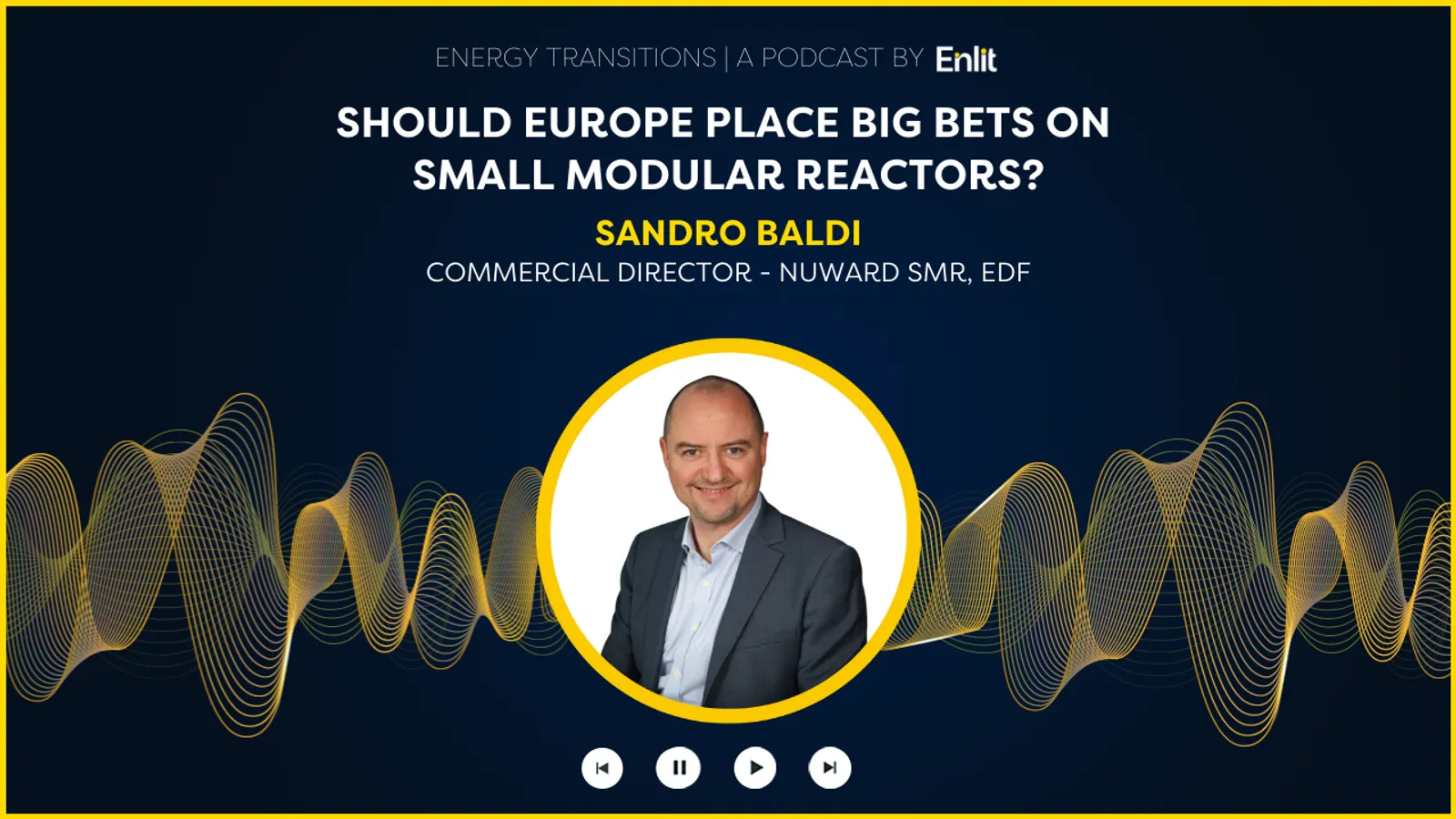
_86825.jpg)
Africa’s energy projects to watch…

Reach out to Enugex
Africa’s next wave of infrastructure is accelerating. Industrial corridors, ports, processing facilities, rail expansions, and large digital infrastructure are all being planned across the continent. But behind many of these announcements sits a quieter question. If this infrastructure actually gets built at scale, where will the reliable baseload power come from? Intermittent generation alone will not support large industrial loads, and energy planning will need to move in lockstep with project development.
If you are working on infrastructure or large energy projects across Africa and want to discuss where this power could come from, feel free to reach out to us at the contacts below for visit www.enugex.com.
