- Enugex Newsletter
- Posts
- Who has agreed to what?
Who has agreed to what?
SMR Public-Private Partnerships in Africa

5 Reasons Why SMRs are Safe
In this edition, we’re excited to explore how public-private partnerships (PPP) are driving innovation, with a spotlight on Egypt's fast-growing energy sector. But first, let's clear up some common questions around a game-changing energy solution: Why SMRs (Small Modular Reactors) are safer than traditional nuclear reactors. Here are 5 reasons why we’re so confident in SMR safety:
Passive Safety Systems: Unlike traditional nuclear reactors, SMRs come with passive safety features that don’t need human intervention. They’re designed to handle emergencies all on their own, making them much safer.
Smaller and More Contained: SMRs are smaller and more compact, which means they’re easier to monitor and manage. Less space means less chance for problems to spread.
Stable Fuel: The fuel used in SMRs is more stable than in traditional reactors. It’s built to stay safe and secure for longer, lowering the risk of accidents.
Redundant Safety Systems: SMRs have multiple backup safety systems. If one fails, another takes over automatically, providing an extra layer of protection that traditional reactors might not offer.
Proven Technology: SMRs are based on decades of nuclear research and experience. They take the best lessons from traditional reactors and improve on them to make safety a top priority.

Public-Private SMR Partnerships in Africa
Several African nations have formalized agreements with international vendors to deploy Small Modular Reactors (SMRs), marking significant advancements in the continent's pursuit of sustainable nuclear energy. Below are key examples of such collaborations:
Ghana 🇬🇭 and NuScale Power
In August 2024, Ghana's Nuclear Power Ghana (NPG) and U.S.-based Regnum Technology Group signed an agreement to deploy a NuScale VOYGR-12 SMR plant in Ghana. This collaboration aims to establish Africa's first commercial advanced light-water SMR, positioning Ghana at the forefront of nuclear innovation on the continent.U.S. Department of Energy
Rwanda 🇷🇼 and Dual Fluid Energy Inc.
Rwanda has entered into an agreement with Dual Fluid Energy Inc. to explore the development of SMR technology within its borders. This partnership reflects Rwanda's commitment to diversifying its energy sources and adopting advanced nuclear technologies to meet its growing energy demands. nuclearbusiness-platform.com
Sudan’s 🇸🇩 Engagements with Russia 🇷🇺 and China 🇨🇳
Sudan has actively engaged with the International Atomic Energy Agency (IAEA) and has signed agreements with supplier countries, including Russia and China, to develop its nuclear infrastructure. These collaborations are part of Sudan's broader strategy to incorporate nuclear power into its energy mix, addressing both energy security and economic development goals.Energy for Growth
These agreements underscore a growing trend among African nations to partner with international vendors in deploying SMR technology, aiming to enhance energy security, support economic growth, and contribute to global sustainability efforts.
Togo 🇹🇬 & Rwanda 🇷🇼 and Nano Nucelar
In December 2024, NANO Nuclear Energy signed a Memorandum of Understanding (MoU) with the Government of the Togolese Republic to collaborate on deploying nuclear reactors, fuel facilities, and nuclear material transportation. The partnership supports Togo's energy initiatives with NANO Nuclear's next-generation microreactors, 'ZEUS' and 'ODIN'. Earlier, in August 2024, NANO Nuclear signed an MoU with the Rwanda Atomic Energy Board (RAEB) to build Rwanda's nuclear energy infrastructure. This agreement focuses on regulatory development, technical capacity building, and educational programs to prepare for the deployment of SMRs and microreactors across the country. TOGO | RWANDA
Country Spotlight: Egypt 🇪🇬

Egypt is actively exploring the integration of Small Modular Reactors (SMRs) into its energy infrastructure to enhance energy security and reduce carbon emissions. The country's existing nuclear initiatives, such as the construction of the El-Dabaa nuclear power plant, demonstrate its commitment to nuclear energy development. In November 2022, Egypt's Nuclear and Radiological Regulatory Authority granted approval to commence construction on the second reactor unit of the El-Dabaa plant, marking a significant milestone in the nation's nuclear program.
Recent studies indicate that SMRs could be a viable option for Egypt, offering advantages like reduced reactor size and the potential for faster deployment. SMRs are designed to be less than one-third the size of current plants, making them suitable for smaller grids and locations that cannot accommodate large-scale facilities. Their compact designs allow for factory fabrication and transportation to sites by truck or rail, enabling a 'plug and play' approach upon arrival.
Incorporating SMRs into Egypt's energy mix aligns with the nation's goals to diversify energy sources and meet rising energy demands sustainably. Collaborations with international partners and adherence to updated regulatory frameworks will be essential as Egypt advances its nuclear energy initiatives.
In the news…
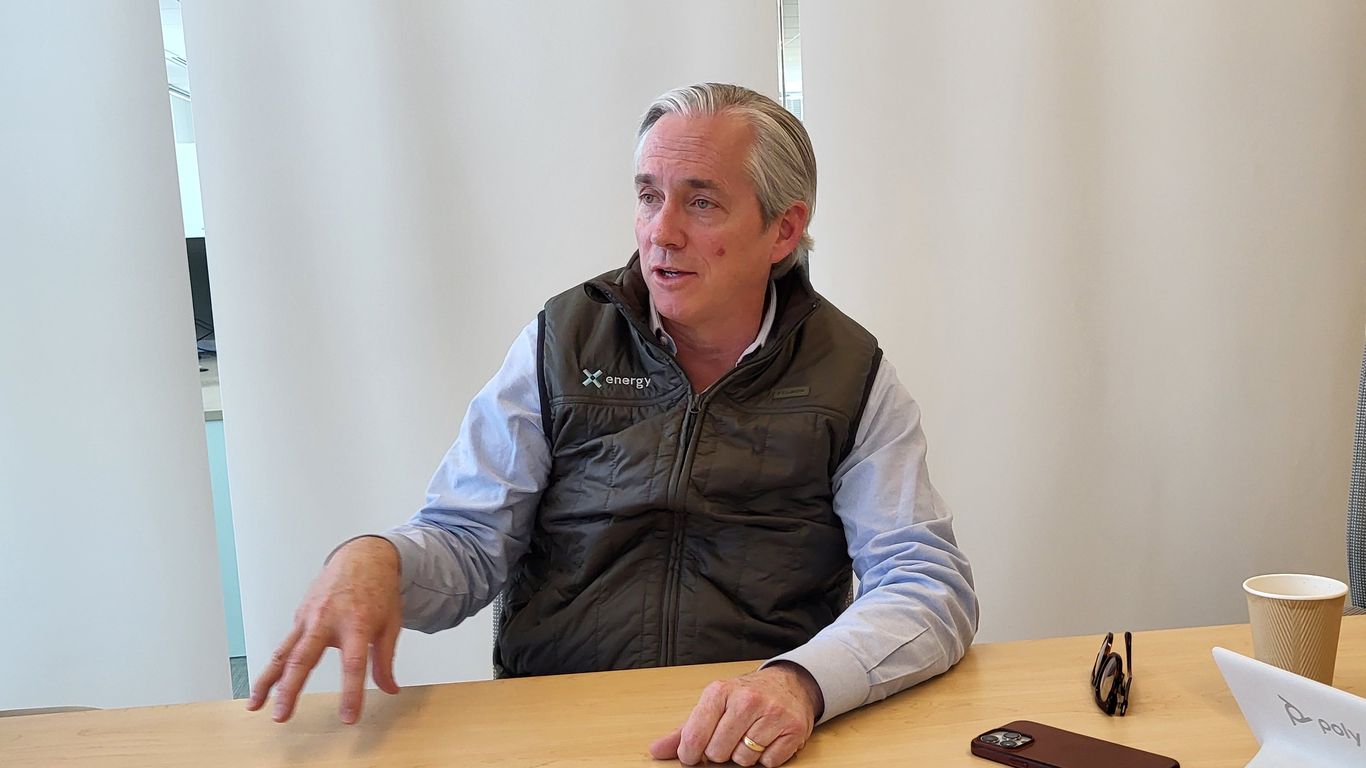
Read some key highlights of SMR news around the world!
_42670.jpg)


Coming up next…
Next week, we’ll explore Africa’s energy mix, analyzing how different power sources—renewables, fossil fuels, and nuclear—shape the continent’s energy landscape.
After that, we’ll spotlight Nigeria, examining its progress and potential in the nuclear energy sector. Future editions will cover key topics like energy supply and demand, off-grid power, regulatory landscapes, and further deep dives into countries such as Morocco 🇲🇦, Ghana 🇬🇭, Kenya 🇰🇪, Algeria 🇩🇿, and more.
Stay tuned for more insights into the evolving role of SMRs in Africa’s energy future!
Be in touch with Enugex
Contact one of our Partners – Mitch Kurylowicz ([email protected]) – if:
You’re interested in learning more about how SMRs can transform Africa's energy landscape.
You’re exploring partnership opportunities in the nuclear energy sector.
You need insights and data on SMR readiness in specific African markets.
You’re seeking guidance on navigating regulatory frameworks for energy projects.
You want to discuss investment opportunities in Africa’s energy infrastructure.
We would love to hear from you and discuss how we can help you be part of Africa’s energy future.
